
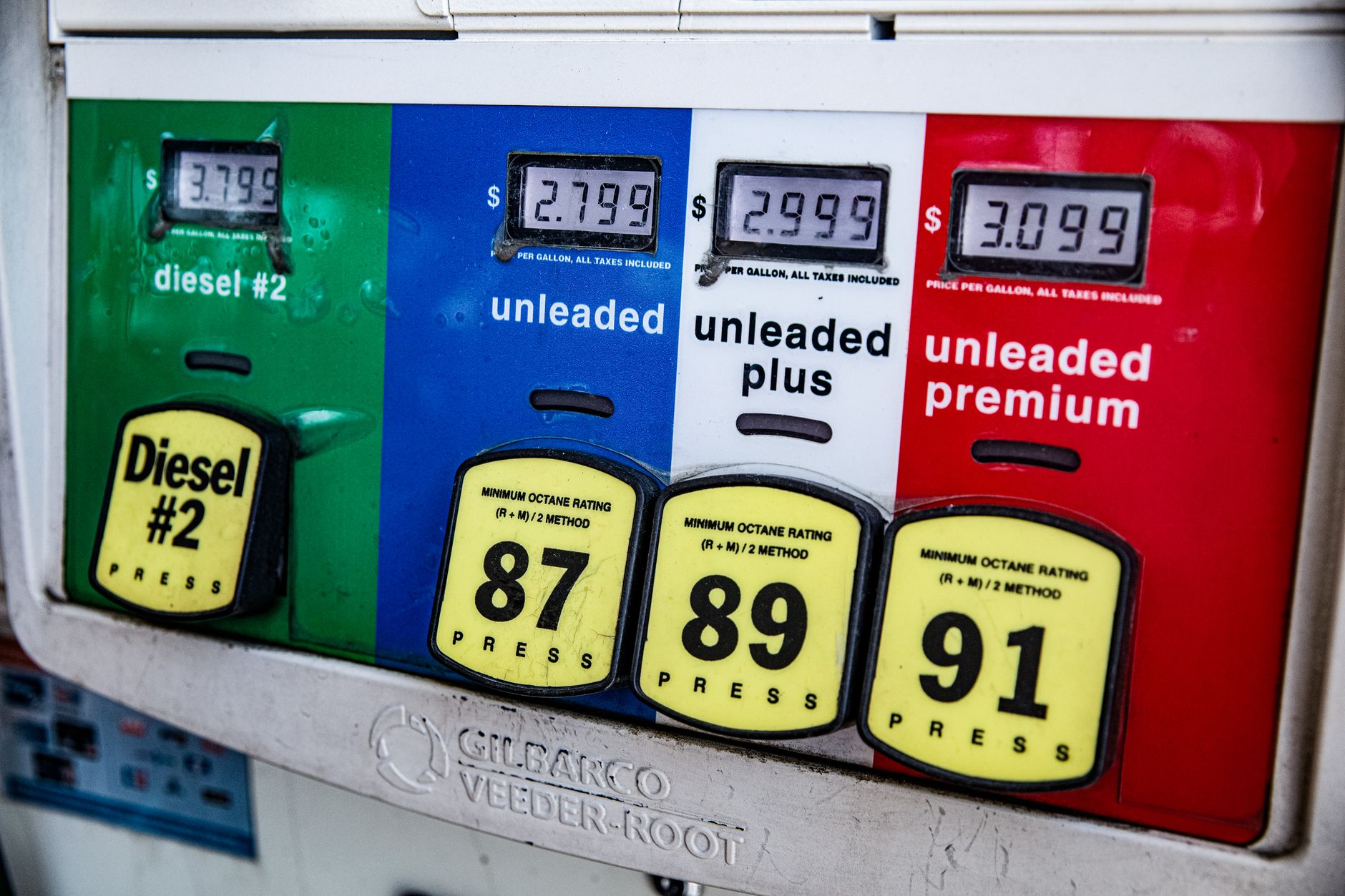
oil prices rise due to escalating tensions in the Middle East, reaching six-week highs. This increase has significant implications for global markets and consumers.
Understanding the Current Oil Prices
As tensions escalate in the Middle East, oil prices rise to six-week highs, eliciting concerns among economists and investors alike. The ongoing conflict has disrupted supply chains and prompted fears of reduced oil availability, which is a critical factor driving prices upward.
Understanding the current dynamics of oil prices requires a closer examination of several key factors:
- Geopolitical Tensions: Conflicts in oil-producing regions can lead to supply uncertainties, causing traders to react swiftly, which drives prices higher.
- Global Demand: As economies recover from the pandemic, demand for oil has surged, further exerting upward pressure on prices.
- Market Speculation: Investors often speculate on future price movements based on current events, contributing to volatility in the oil markets.
- Production Decisions: OPEC and other oil-producing nations often adjust their production levels in response to global conditions, influencing supply and, consequently, prices.
The combination of these factors creates a complex environment in which oil prices rise, affecting not just the energy sector but the broader global economy as well.
Impact of Middle East Conflict on Oil Supply
The ongoing conflict in the Middle East has significantly affected oil supply, contributing to an increase in oil prices. As tensions escalate, concerns over production disruptions have prompted traders to react swiftly to market signals.
One of the key factors driving the rise in oil prices is the uncertainty surrounding major oil-producing nations in the region. The potential for production halts, along with fears of escalated military actions, has led to speculative trading, further pushing prices upward.
Analysts have identified several critical impacts of the conflict on global markets:
- Supply Chain Disruptions: Conflicts can hinder transportation routes and create delays in oil shipments.
- Investor Sentiment: Heightened geopolitical risks often lead to increased volatility, making investors wary of market fluctuations.
- Energy Prices: Rising oil prices affect not just crude but also gasoline and other energy commodities, leading to broader economic implications.
- Inflationary Pressures: Higher oil prices can contribute to increased inflation rates, impacting consumer spending and economic growth.
As the situation develops, the impact of the Middle East conflict on oil supply will likely continue to influence oil prices rise across global markets.
Oil Prices Rise: What It Means for Consumers
The recent surge in oil prices has significant implications for consumers worldwide. As oil prices rise, the cost of fuel at the pump is likely to increase, placing additional financial strain on households already grappling with inflation. This rise can lead to higher transportation costs, which may be passed on to consumers in the form of increased prices for goods and services.
Moreover, the impact is not limited to just gasoline. A rise in oil prices can affect various sectors, including:
- Heating Costs: Consumers may face higher bills during the winter months as heating oil prices climb.
- Food Prices: Increased transportation costs can drive up food prices, impacting budgets for families.
- Travel Expenses: Airline ticket prices may rise as fuel costs increase, making vacations more expensive.
As oil prices rise, these cascading effects can significantly alter consumer behavior, leading to reduced spending in other areas of the economy. Experts suggest that the ongoing geopolitical tensions will continue to influence these prices, leaving consumers to navigate an increasingly challenging financial landscape.
Historical Trends in Oil Prices
Over the past few decades, oil prices have shown significant fluctuations, often influenced by geopolitical events, supply chain disruptions, and changes in demand. The historical trends in oil prices reveal a pattern of sharp increases followed by sudden declines, illustrating the volatility of this essential commodity.
For instance, during the Gulf War in the early 1990s, oil prices surged dramatically, reaching levels that shocked global markets. Similarly, the 2008 financial crisis saw oil prices spike to an all-time high before plummeting due to decreased demand. Such events highlight how external factors can lead to rapid changes in oil prices.
In recent years, the emergence of new technologies and alternative energy sources has also played a role in shaping oil prices. While the rise of renewable energy has created some downward pressure on prices, periods of uncertainty—like the current Middle East conflict—often cause oil prices to rise sharply.
Currently, as oil prices rise to six-week highs, market analysts are closely monitoring these historical trends to predict future movements. Understanding past behaviors can offer valuable insights into how global markets might react in the face of ongoing geopolitical tensions.
Expert Opinions on Future Oil Prices
Experts are divided on the future trajectory of oil prices, particularly in light of recent developments in the Middle East. Many analysts believe that the ongoing conflict will continue to exert upward pressure on oil prices, potentially leading to further increases in the coming weeks.
- Dr. Emily Carter, an energy economist, states, “The rise in oil prices is likely to be sustained as geopolitical tensions escalate, impacting global supply chains.”
- John Smith, a commodities trader, warns that “If the situation deteriorates further, we could see oil prices rise sharply, affecting everything from transportation costs to consumer goods.”
- Maria Lopez, a market analyst, emphasizes the importance of monitoring OPEC’s response, noting that “Any production cuts could exacerbate the current surge in oil prices, leading to widespread economic implications.”
In addition to geopolitical concerns, analysts are also considering the impact of seasonal demand fluctuations. As winter approaches, heating oil consumption typically increases, which may drive prices higher. Overall, the consensus is that the current rise in oil prices could have lasting effects on both consumers and businesses worldwide.
Economic Consequences of Rising Oil Prices
The recent rise in oil prices has significant economic consequences that reverberate across global markets. As oil prices rise, the cost of production for various industries increases, leading to a ripple effect throughout the economy. The most immediate impact is often felt in the transportation sector, where higher fuel costs can lead to increased prices for goods and services.
Moreover, consumers are likely to face inflationary pressure as businesses pass on these costs. This can lead to a decrease in disposable income, affecting consumer spending and overall economic growth. Analysts suggest that prolonged high oil prices could push some economies into recession, particularly those that are heavily reliant on oil imports.
Additionally, rising oil prices can strain international relations, particularly among countries that are net importers. Countries that depend on oil exports may benefit in the short term, but global economic instability can lead to long-term challenges, including trade conflicts.
In summary, the economic consequences of rising oil prices are profound, impacting consumer behavior, business costs, and international relations. Policymakers must carefully monitor these trends to mitigate the adverse effects on the global economy.
How Oil Prices Affect Global Markets
The rise in oil prices has significant implications for global markets, influencing various sectors and economies around the world. As oil prices rise, the cost of production for goods increases, leading to potential inflationary pressures that can ripple through economies.
- Transportation Costs: Higher oil prices directly affect transportation costs, as fuel becomes more expensive for shipping goods. This can lead to increased prices for consumers, impacting everything from groceries to electronics.
- Energy Sector Impact: Rising oil prices often benefit companies in the energy sector, leading to increased investments and stock prices. However, this can also create volatility in the stock market as investors react to fluctuating prices.
- Global Trade: Countries that rely heavily on oil imports may experience trade deficits as their costs rise. Conversely, oil-exporting nations may see a surge in revenues, altering the balance of trade and economic relations.
- Consumer Behavior: As oil prices rise, consumers may adjust their spending habits, prioritizing essential goods and services over discretionary spending, which can slow economic growth.
Ultimately, the rise in oil prices is a complex issue that poses challenges and opportunities for global markets.
Strategies for Investors in a Volatile Market
As oil prices rise to six-week highs amid escalating tensions in the Middle East, investors face a challenging landscape characterized by uncertainty and volatility. To navigate this turbulent market effectively, here are several strategies that can be employed:
- Diversification: Spread investments across various sectors and asset classes to mitigate risks associated with fluctuating oil prices.
- Hedging: Utilize options and futures contracts to protect against potential losses due to rising oil prices, allowing for more stable returns.
- Focus on Energy Alternatives: Consider investing in renewable energy or companies that focus on energy efficiency, as they may benefit from a shift away from traditional oil dependency.
- Stay Informed: Keep abreast of geopolitical developments and economic indicators that can impact oil supply and demand, ensuring timely decision-making.
- Long-Term Perspective: While short-term fluctuations can be concerning, maintaining a long-term investment strategy may yield better results in an unpredictable market.
By employing these strategies, investors can better position themselves to manage the risks associated with rising oil prices and capitalize on potential opportunities in the evolving market landscape.
As oil prices rise, many industries are feeling the pressure of increased transportation costs. Economists warn that if oil prices rise further, it could trigger a broader economic slowdown across various sectors.
Photo by Ekaterina Belinskaya on Pexels


