
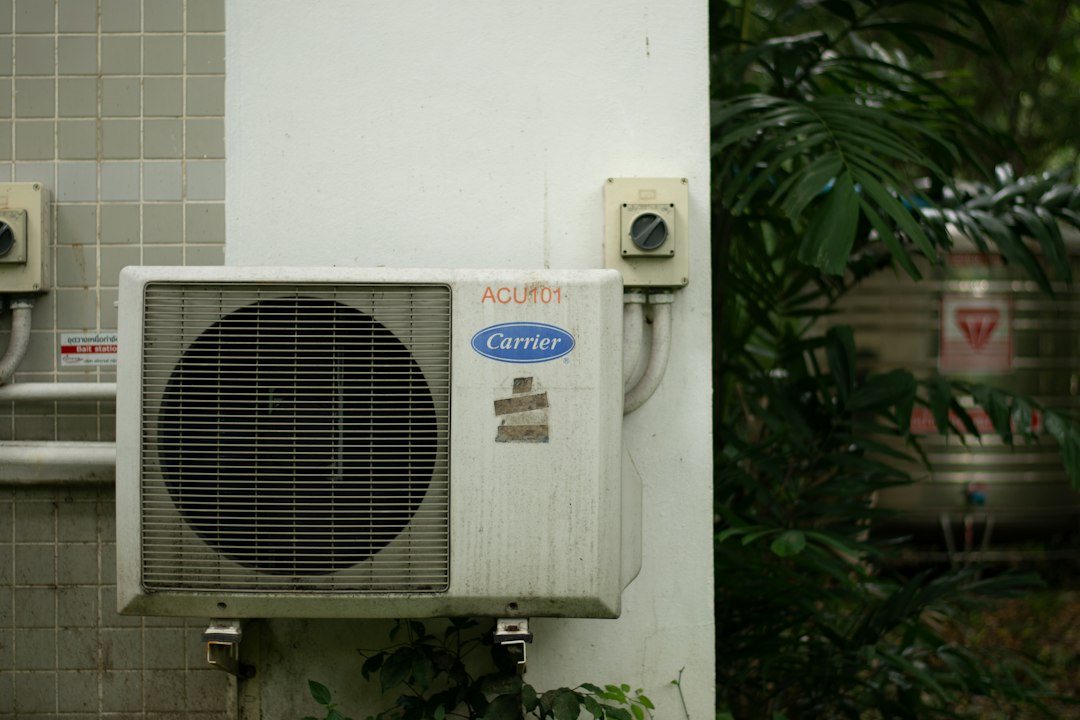
Homeowners rely on dependable cooling systems to maintain comfortable indoor conditions throughout the warmer months. When an air conditioner begins making unusual sounds, producing weak airflow, or struggling to maintain the selected temperature, timely attention can prevent a minor concern from becoming a larger system problem. Choosing AC Repair Ventura County services can help homeowners address cooling issues systematically while protecting the long-term performance of their equipment. Understanding common warning signs, repair procedures, maintenance practices, and service considerations can make the entire process easier to manage.
What’s Covered
- What are the most common reasons an air conditioner needs repair?
- How can homeowners tell that an AC system is not working properly?
- Why is weak airflow an important warning sign?
- What should homeowners know about unusual AC noises?
- How does regular maintenance influence AC performance?
- How often should an AC filter be checked?
- Can an AC problem increase household energy use?
- When should a homeowner call for professional AC repair?
- What happens during a professional AC inspection?
- Is repairing an older AC system always practical?
- Why is refrigerant service best left to professionals?
- How can homeowners reduce unexpected AC problems?
- What should homeowners look for when arranging AC repair?
- Why does timely repair matter?
- Final thoughts for Ventura County homeowners
What are the most common reasons an air conditioner needs repair?
Air conditioners can develop problems for many different reasons. Electrical components may wear out, filters can become clogged, refrigerant-related problems may develop, and mechanical parts can experience normal deterioration. Outdoor units are also exposed to dust, moisture, debris, and changing weather conditions, which can influence performance over time.
A system that operates frequently may experience more wear than one used occasionally. Age is another consideration because older equipment can require more frequent repairs as individual components reach the end of their useful service life. Recognizing these factors helps homeowners understand why two systems installed at different times may require different levels of attention.
How can homeowners tell that an AC system is not working properly?
Several signs deserve attention. Weak airflow from vents may indicate an airflow restriction, blower issue, duct concern, or another mechanical problem. If the system runs continuously without reaching the desired temperature, the equipment may be struggling with efficiency or capacity.
Unusual noises can also provide useful clues. Grinding, rattling, buzzing, squealing, or repeated clicking should not automatically be considered normal. Similarly, unusual odors may indicate a dirty component, moisture issue, electrical concern, or other condition that requires professional evaluation.
Water around an indoor unit should also be investigated. Condensation is a normal part of air-conditioning operation, but unexpected pooling or dripping may suggest a blocked drainage pathway or another issue. Early inspection can help prevent surrounding materials from experiencing unnecessary moisture exposure.
Why is weak airflow an important warning sign?
Airflow directly affects how effectively conditioned air reaches living spaces. When airflow declines, rooms may become unevenly cooled, and the system may need to operate longer to provide the desired comfort level.
A dirty filter is one possible explanation, but it is not the only one. Problems involving the blower, ductwork, evaporator coil, or other components can also influence air movement. Homeowners should avoid assuming that replacing a filter will resolve every airflow problem.
A professional assessment can determine whether the restriction is simple or connected to a larger mechanical concern. This distinction matters because continuing to operate a system with restricted airflow may place additional strain on certain components.
What should homeowners know about unusual AC noises?
Different sounds can point toward different conditions, although sound alone cannot establish a definitive diagnosis. A light operational hum may be normal, while sudden rattling or grinding deserves closer attention.
Loose components may create vibration or rattling. Mechanical wear can produce grinding or squealing. Electrical components may generate buzzing or clicking when malfunctioning. Because air-conditioning systems contain moving and electrical parts, homeowners should not attempt to investigate internal components while the equipment is operating.
Documenting when the sound occurs can be useful. For example, noting whether it happens during startup, continuous operation, or shutdown may provide helpful information during a professional inspection.
How does regular maintenance influence AC performance?
Preventive maintenance can support reliable operation by identifying developing problems before they interfere with comfort. Routine attention may include checking filters, inspecting coils, examining electrical connections, evaluating airflow, reviewing drainage, and assessing overall system operation.
Maintenance is different from repair. Maintenance focuses on reducing avoidable problems and keeping equipment operating as intended, while repair addresses a condition that has already developed. Both have an important role in responsible equipment ownership.
Homeowners can handle simple tasks such as replacing an accessible filter according to manufacturer guidance. More technical inspections should be performed by qualified professionals because electrical and refrigerant-related work requires specialized knowledge and appropriate safety procedures.
How often should an AC filter be checked?
Filter requirements vary according to equipment design, filter type, household conditions, and manufacturer recommendations. Homes with pets, construction activity, or substantial airborne particles may require more frequent attention.
A filter that becomes heavily loaded with debris can restrict airflow. Checking the filter regularly provides homeowners with a straightforward way to notice whether replacement is needed. However, filter replacement should always follow the specifications appropriate for the particular system.
Using an incorrectly sized filter can create its own problems. Homeowners should confirm the dimensions and requirements before purchasing a replacement.
Can an AC problem increase household energy use?
A malfunctioning cooling system may require longer operating periods to achieve the same indoor temperature. Restricted airflow, dirty coils, mechanical problems, and other conditions can contribute to inefficient operation.
Energy use depends on many factors, including outdoor conditions, thermostat settings, building insulation, equipment age, system size, and usage patterns. Therefore, higher utility costs should not automatically be attributed to one specific component.
Still, a noticeable change in cooling performance combined with an increase in operating time can justify an inspection. Identifying the underlying issue may help restore normal operation and prevent unnecessary strain.
When should a homeowner call for professional AC repair?
Professional assistance is appropriate when a system stops cooling, repeatedly cycles on and off, leaks, produces unusual noises, develops electrical symptoms, or cannot maintain comfortable indoor temperatures.
Homeowners should also seek assistance when a problem returns after a temporary improvement. Recurring symptoms may indicate that the underlying cause has not been addressed.
Electrical problems deserve particular caution. Air-conditioning equipment uses high-voltage electrical components, and attempting unfamiliar electrical repairs can create serious safety risks. Professional technicians have the tools and knowledge necessary to evaluate these systems more safely.
What happens during a professional AC inspection?
A service visit generally begins with a discussion of the symptoms noticed by the homeowner. The technician may then inspect the system, evaluate operating performance, examine relevant components, and identify conditions that could explain the reported issue.
Depending on the situation, the evaluation may include airflow checks, electrical measurements, temperature observations, component inspection, and examination of drainage or refrigerant-related conditions.
A clear explanation of findings is valuable because homeowners need to understand what is happening before deciding how to proceed. A professional approach should distinguish between immediate repair needs, recommended maintenance, and conditions that can reasonably be monitored.
Is repairing an older AC system always practical?
Not necessarily. The decision depends on the nature of the problem, equipment condition, expected reliability, availability of replacement components, and the homeowner’s long-term plans.
A relatively minor repair may make sense when the system is otherwise operating well. More extensive problems on an aging system may require a broader discussion about future options.
Homeowners should consider more than the immediate repair price. Reliability, operating performance, recurring service requirements, and expected remaining service life can all influence the practical decision. A clear professional assessment can help homeowners understand these factors without relying on assumptions.
Why is refrigerant service best left to professionals?
Refrigerant systems require specialized equipment and technical knowledge. A cooling problem does not necessarily mean that refrigerant simply needs to be added. A leak, component problem, or other underlying condition may be responsible.
Professional evaluation helps determine what is actually occurring before corrective work is performed. Improper handling can affect system operation and create safety or environmental concerns.
Homeowners should avoid purchasing refrigerant-related equipment or attempting unfamiliar procedures without appropriate qualifications. Professional service provides a safer route for diagnosing and addressing these technical conditions.
How can homeowners reduce unexpected AC problems?
Simple habits can support dependable operation. Filters should be checked according to household conditions and equipment guidance. Outdoor units should remain reasonably clear of leaves, accumulated debris, and other obstructions. Vents should not be unnecessarily blocked by furniture or household items.
Homeowners can also pay attention to changes in sound, airflow, temperature consistency, and operating duration. These observations create useful information for future service appointments.
Preventive maintenance is another important consideration. Instead of waiting for a complete breakdown during a period of heavy use, homeowners can arrange periodic inspections that identify developing concerns.
What should homeowners look for when arranging AC repair?
Experience, professionalism, communication, appropriate licensing where required, and clear service practices are useful considerations. Homeowners should seek a service provider willing to explain the diagnosis and proposed work in understandable language.
A written description of recommended repairs can also improve transparency. It should identify the general problem, the proposed corrective action, and any relevant considerations.
Good communication matters because an air-conditioning repair is not simply about replacing a component. The goal is to understand why the system is underperforming and determine an appropriate path toward reliable operation.
Why does timely repair matter?
Ignoring a developing problem can allow symptoms to become more disruptive. A small airflow restriction, unusual noise, or drainage concern may not immediately prevent cooling, but continued operation under abnormal conditions can place additional stress on equipment.
Timely attention also improves household comfort and planning. Rather than waiting until the system stops operating completely, homeowners can address warning signs while they still have more flexibility.
Final thoughts for Ventura County homeowners
A reliable air conditioner contributes significantly to indoor comfort, particularly when warm weather places greater demand on cooling equipment. Understanding warning signs, maintenance responsibilities, professional inspection practices, and repair considerations allows homeowners to make informed decisions about their systems.
The most useful approach is neither to ignore minor symptoms nor to assume every issue requires major replacement. Careful observation, routine maintenance, and professional diagnosis can help distinguish between simple service needs and more significant mechanical concerns. With consistent attention, homeowners can support dependable cooling performance and maintain a more comfortable living environment throughout the year.

